

African safari Tanzania stands as the embodiment of everything travelers envision when they dream of an authentic African safari. This East African nation offers a symphony of wildlife encounters, from the thunderous hooves of migrating herds to the silent stalk of a leopard through dappled shadows. For those seeking to experience Africa’s untamed beauty in its most genuine form, Tanzania delivers an adventure that transcends typical tourism and becomes a life-defining experience that reshapes your understanding of nature, conservation, and our planet’s irreplaceable wild places.
The Tanzania Safari Advantage: Why This Destination Stands Apart
Tanzania’s position as Africa’s premier safari destination isn’t accidental—it results from strategic conservation policies, geographical advantages, and an unwavering commitment to preserving wilderness. The country has designated approximately 38% of its total territory for wildlife protection, creating one of the world’s largest conservation networks. This commitment translates into protected areas where ecosystems function with minimal human interference, allowing natural processes like predation, competition, and migration to continue as they have for countless generations.
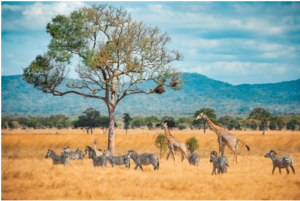
The sheer biodiversity Tanzania harbors is staggering. More than 430 mammal species roam these lands, including Africa’s most iconic wildlife—elephants, lions, leopards, rhinos, buffalo, cheetahs, wild dogs, giraffes, zebras, and countless antelope species. Over 1,100 bird species have been recorded, making Tanzania a paradise for ornithologists and casual birdwatchers alike. This biological richness creates safari experiences where every outing reveals something remarkable, whether it’s a rarely seen nocturnal predator or an intricate behavioral interaction between species.
Tanzania’s landscape diversity adds another dimension to its safari appeal. Within this single nation, you can experience arid semi-deserts, lush montane forests, volcanic craters, endless grasslands, alpine glaciers, tropical islands, and coral reefs. This geographical variety means multi-day safari itineraries showcase dramatically different environments, preventing the visual monotony that can occur in more geographically homogeneous destinations. Each day brings new landscapes, new wildlife communities, and new photographic opportunities.
The infrastructure supporting Tanzania’s safari industry has matured over decades while maintaining authenticity. Professional guides possess encyclopedic knowledge of animal behavior, tracking techniques, and ecological relationships. Accommodation options span from rustic bush camps that emphasize wilderness immersion to architectural masterpieces offering five-star luxury without sacrificing environmental responsibility. This infrastructure maturity ensures smooth logistics that allow visitors to focus on wildlife experiences rather than operational complications.
Serengeti National Park: Africa’s Living Laboratory
The Serengeti ecosystem represents one of Earth’s last fully functioning large mammal ecosystems, a distinction that grows more exceptional as human impacts fragment and diminish wilderness globally. This vast wilderness, encompassing the national park and surrounding conservation areas, operates according to ecological principles established over millennia. The predator-prey relationships, competitive dynamics, and seasonal movements create a living laboratory where nature’s complexity unfolds continuously.
The Great Migration dominates Serengeti discussions for good reason—it represents the planet’s largest terrestrial animal migration and one of nature’s most spectacular events. Approximately 1.5 million wildebeest, joined by 250,000 zebras and substantial numbers of other ungulates, follow an instinct-driven circular route dictated by rainfall patterns and grass availability. This movement isn’t a single event but a continuous cycle where different phases occur throughout the year.
Understanding these phases helps optimize safari timing. The southern Serengeti and Ndutu region host the herds from December through March, with the calving season peaking in February. During this concentrated period, roughly half a million calves are born within a few weeks, creating an explosion of vulnerable prey that attracts predators in remarkable concentrations. Lions, cheetahs, hyenas, jackals, and leopards converge, capitalizing on easy hunting opportunities. This period offers unparalleled predator viewing as cats make kills with unusual frequency.
As grasses are exhausted and water sources dry, the herds move northwest through the central Serengeti during April and May, reaching the Western Corridor by June. Here, the Grumeti River presents the first significant crossing challenge. While less famous than Mara River crossings, Grumeti crossings still provide dramatic viewing as wildebeest navigate channels holding substantial crocodile populations that have subsisted on minimal food for months, awaiting this brief period of abundance.
By July, the migration’s vanguard reaches the northern Serengeti where the Mara River creates the most formidable barrier. The river’s steep banks, strong currents, and numerous large crocodiles create genuine danger. Crossings happen unpredictably—herds may gather for days, massing on riverbanks with palpable tension before something triggers the plunge and thousands stampede into churning waters in minutes of chaos. These crossings epitomize nature’s drama and represent the safari experience many travelers prioritize above all others.
The period from November through December sees the herds beginning their southward return journey, completing the annual circuit. However, focusing exclusively on migration overlooks the Serengeti’s permanent wildlife populations. The park’s resident animals provide exceptional viewing year-round. With over 3,000 lions, the Serengeti offers unmatched opportunities to observe lion behavior—pride dynamics, territorial disputes, hunting strategies, and social interactions that reveal the complexity beneath surface perceptions of lion life.
Leopards, though predominantly nocturnal and solitary, appear with surprising regularity around kopjes and riverine areas where they cache kills in trees. Cheetahs favor the open plains where superior speed compensates for their relative weakness compared to larger predators. The Serengeti supports substantial cheetah populations, particularly in southeastern regions where visibility and prey abundance favor their hunting strategy. African wild dogs, among the continent’s most endangered carnivores, maintain several packs within the Serengeti ecosystem, offering rare opportunities to observe these efficient cooperative hunters.
Ngorongoro Conservation Area: A World Within Walls
The Ngorongoro Crater represents one of nature’s most extraordinary geological formations and ecological laboratories. This massive volcanic caldera, created when an ancient volcano collapsed roughly 2-3 million years ago, spans 19 kilometers in diameter and encompasses 265 square kilometers. The crater walls rise 400-610 meters above the floor, creating a natural enclosure that has made Ngorongoro function somewhat like an enormous natural wildlife sanctuary.
The crater floor’s habitat diversity is remarkable given the relatively compact area. Open grasslands dominate much of the floor, providing grazing for wildebeest, zebras, and gazelles. Acacia woodlands offer shelter and browsing for elephants and giraffes. The Lerai Forest provides dense cover favored by leopards and buffalo. Freshwater swamps support hippos and attract diverse birdlife. Lake Magadi, an alkaline soda lake, hosts flamingo flocks during certain periods. This habitat mosaic supports approximately 25,000-30,000 large mammals, creating one of Africa’s highest wildlife densities.
This concentration makes Ngorongoro exceptionally reliable for wildlife viewing. The permanent water sources ensure animals remain present year-round, unlike migratory populations that follow seasonal resources. Most visitors observe multiple Big Five species within a single half-day crater floor visit. Lions, elephants, and buffalo appear regularly. Black rhinoceros, though rare with only 30-50 individuals remaining in the crater, are seen with reasonable frequency given their endangered status elsewhere. Leopards, being nocturnal and secretive, require more luck but still appear occasionally.
The crater’s lion population has generated fascinating research. These lions display unique behavioral patterns influenced by the crater’s semi-enclosed nature. Male coalitions control territories differently than open ecosystem populations. Genetic concerns have emerged as reduced gene flow creates lower genetic diversity compared to Serengeti lions, demonstrating that even protected populations face conservation challenges requiring management intervention.
Beyond wildlife, the Ngorongoro Conservation Area encompasses significant archaeological treasures. Olduvai Gorge, located within the conservation area, ranks among paleoanthropology’s most important sites. The Leakey family’s discoveries here provided crucial evidence of early human evolution, revealing that our genus Homo emerged in East Africa millions of years ago. For travelers interested in human origins, Olduvai adds profound context to wildlife viewing, demonstrating that humans and wildlife have coexisted in these landscapes for our entire evolutionary history.
Tarangire National Park: The Baobab Kingdom
Tarangire National Park represents one of Tanzania’s most underrated safari destinations, consistently delivering exceptional wildlife experiences despite receiving a fraction of the attention lavished on the Serengeti. This relative obscurity actually benefits visitors by ensuring fewer vehicles and more exclusive encounters. Tarangire’s character changes dramatically with seasons—during wet months, wildlife disperses across broader landscapes, but dry season transforms the park into an essential refuge.
From June through October, as surrounding areas desiccate, wildlife converges on Tarangire where the permanent river provides reliable water. These dry season concentrations can rival those in more famous parks. Elephants, buffaloes, zebras, wildebeest, and various antelope species gather in impressive numbers, attracting predators that follow prey concentrations. The resulting wildlife density creates exceptional viewing opportunities along relatively compact stretches of river and associated swamps.
Elephants are Tarangire’s signature species. The park shelters one of Tanzania’s largest elephant populations with over 3,000 individuals present during peak periods. These elephants demonstrate remarkable intelligence and complex social structures observable through patient watching. Matriarchs lead family groups with authority developed over decades, making decisions about movement, water access, and danger response. Young elephants engage in playful behaviors that serve educational functions, while adolescent males test dominance hierarchies in preparation for adult life.
The iconic baobab trees that dominate Tarangire’s landscape create visually stunning settings unlike anywhere else in Tanzania. These ancient trees, which can live over 2,000 years and grow to enormous proportions, appear surreal with their massive trunks and sparse, twisted branches resembling inverted root systems. During intense dry seasons, elephants sometimes damage or topple baobabs to access moisture within the fibrous trunks, demonstrating how even Earth’s most massive plants can succumb to herbivore pressures during resource scarcity.
Predator viewing in Tarangire is excellent though often overshadowed by the elephant focus. Lions maintain territories along the river, leopards frequent riverine vegetation and rocky outcrops, and cheetahs hunt on open grasslands. The concentration of prey during dry seasons ensures regular predator-prey interactions. Additionally, Tarangire’s baobab-studded landscapes provide photographers with quintessentially African compositions, particularly during golden hour when low-angle light illuminates the sculptural tree forms.
Birdwatchers recognize Tarangire as an exceptional destination with over 550 recorded species. The habitat diversity—swamps, woodlands, grasslands, riverine forests—creates varied niches supporting this remarkable avian diversity. Yellow-collared lovebirds, endemic to this region, often appear in noisy flocks. During wet seasons, Tarangire’s swamps attract numerous waterbird species including storks, herons, and migrant waders.
Southern Tanzania: Wilderness for the Adventurous
Tanzania’s southern safari circuit remains largely unknown to mainstream tourists, creating opportunities for adventurous travelers seeking authentic wilderness experiences away from northern circuit crowds. These parks—Ruaha, Nyerere, and Katavi—require greater commitment through longer travel times, more basic infrastructure, and higher costs, but reward visitors with exclusive encounters and genuinely wild environments.
Ruaha National Park covers over 20,000 square kilometers of rugged, semi-arid wilderness characterized by rocky escarpments, seasonal rivers, and extensive woodlands. The Great Ruaha River provides the ecological lifeline, particularly during dry seasons when it becomes the only permanent water source across vast areas. Ruaha’s remoteness keeps visitor numbers minimal—some camps host only a handful of guests simultaneously, creating safari experiences characterized by solitude and raw wilderness character.
Wildlife populations in Ruaha are exceptional. The park harbors Tanzania’s largest elephant population, though exact numbers remain uncertain. Lion populations are healthy with interesting behavioral adaptations to Ruaha’s landscapes. Leopard sightings occur with reasonable frequency given their nocturnal, solitary nature. Most significantly, Ruaha represents one of East Africa’s most important strongholds for critically endangered African wild dogs, with several packs maintaining territories within the park.
Nyerere National Park, recently created from the northern section of the former Selous Game Reserve, encompasses over 30,000 square kilometers of pristine wilderness. The Rufiji River system creates complex networks of channels, lakes, and seasonal floodplains supporting exceptional biodiversity. What distinguishes Nyerere from most Tanzanian parks is activity diversity—boat safaris provide unique aquatic perspectives on hippos, crocodiles, and animals coming to drink, while walking safaris create intimate bush encounters impossible from vehicles.
Katavi National Park, located in African safari Tanzania remote west near Lake Tanganyika, experiences dramatic seasonal transformations. During dry seasons, the Katuma River and associated floodplains contract dramatically, concentrating wildlife in extraordinary densities. Hippo populations exceeding 4,000 individuals crowd into shrinking pools, creating remarkable viewing opportunities and intense competition. Buffalo herds numbering in the thousands congregate on remaining grasslands, attracting lion prides. Katavi’s extreme remoteness—typically accessed only by charter flights—ensures visitor numbers remain negligible.
Zanzibar and the Swahili Coast
After the intensity of inland safaris, Tanzania’s coast offers perfect counterbalance with tropical beaches, cultural heritage, and marine activities. The Zanzibar Archipelago, located 25-50 kilometers offshore, has served as a trading hub for centuries, creating unique cultural fusion visible throughout the islands.
Stone Town, Zanzibar’s historic capital and UNESCO World Heritage Site, reveals architectural and cultural heritage spanning centuries. The narrow winding alleys, ornately carved wooden doors, coral stone buildings, and bustling markets reflect Arab, Persian, Indian, and European influences. Key historical sites include the former slave market, the Sultan’s Palace Museum, and the House of Wonders. Wandering Stone Town provides cultural immersion that complements wildlife experiences, connecting visitors with human history alongside natural heritage.
Zanzibar’s beaches attract visitors seeking post-safari relaxation. The northern coast (Nungwi, Kendwa) offers excellent swimming year-round with minimal tidal variation. The eastern beaches (Paje, Jambiani, Bwejuu) experience dramatic tides that expose extensive sand flats and coral gardens during low tide. The coral reefs surrounding Zanzibar support diverse marine life including sea turtles, dolphins, colorful reef fish, and occasionally whale sharks. Mnemba Atoll, northeast of Zanzibar, provides particularly excellent snorkeling and diving.
Beyond beaches, Zanzibar offers spice plantation tours revealing the agricultural heritage that made these islands famous as the “Spice Islands.” Dhow cruises aboard traditional sailing vessels provide romantic sunset experiences. Dolphin tours operate from various coastal locations, though ethical concerns exist around some operators that harass wildlife—research carefully before booking.
Strategic Safari Planning
Successful Tanzania safaris begin with strategic planning addressing multiple considerations. Timing significantly impacts experiences and costs. The dry season (June-October) provides optimal wildlife viewing with predictable weather, concentrated animals, and accessible roads, but represents peak season with maximum prices and crowds. The wet season offers lower prices, fewer tourists, lush landscapes, and specific advantages like calving season predator action (January-February), though occasional travel complications arise from rain.
Choosing between northern and southern circuits depends on priorities. Northern circuit parks offer better infrastructure, easier access, more accommodation options, and the Great Migration. Southern parks provide authentic wilderness, exclusivity, fewer tourists, and varied activities but require more time, budget, and acceptance of basic facilities.
Selecting accommodation involves balancing budget, comfort preferences, and desired experience authenticity. Budget options ($150-250 daily per person) include camping and basic lodges. Mid-range properties ($300-500 daily) offer comfortable lodges or tented camps. Luxury options ($600-1,500+ daily) provide exceptional comfort and service. Ultra-luxury mobile camps following the migration can exceed $2,000 daily but position guests directly within wildlife action.
Health preparations require attention 6-8 weeks before departure. Essential considerations include yellow fever vaccination (mandatory from endemic countries), malaria prophylaxis (strongly recommended for most safari areas), routine immunizations, and comprehensive travel insurance covering medical evacuation.
Conclusion
An African safari Tanzania offers far more than wildlife viewing—it provides transformative experiences that fundamentally alter how you perceive nature, conservation, and humanity’s relationship with the wild world. The profound encounters with animals living according to ancient instincts, the visceral recognition of nature’s power and beauty, and the humbling awareness of our small place within vast ecological systems create lasting impacts that extend far beyond vacation memories.
Tanzania’s commitment to conservation, demonstrated through protecting nearly 40% of national territory, ensures these experiences remain available for future generations while providing models for sustainable tourism that benefits wildlife, local communities, and visitors simultaneously. Your safari investment directly supports this conservation framework through park fees, employment for local people, and economic incentives that make wildlife more valuable alive than through extractive use.
The diversity of experiences Tanzania offers—from witnessing the Great Migration to tracking rhinos in Ngorongoro, from climbing Kilimanjaro to relaxing on Zanzibar’s beaches—creates comprehensive African adventures within a single, coherent destination. The memories forged during Tanzania safaris possess unusual emotional power and longevity, becoming touchstones that remind us why wilderness preservation matters and inspire continued commitment to conservation.
As you embark on your Tanzania safari journey, remember that you’re participating in something larger than personal enrichment. You’re supporting conservation that protects irreplaceable ecosystems, contributing to sustainable development that improves local livelihoods, and bearing witness to natural wonders that deserve protection for their own intrinsic value. Tanzania awaits with open savannas, abundant wildlife, and transformative experiences that will reshape your understanding of our remarkable planet.
Key Takeaways
- Conservation Leadership: Tanzania protects 38% of territory across sixteen national parks and numerous reserves, creating Africa’s largest conservation network
- Migration Phases: Strategic timing captures specific spectacles—calving season (Jan-Feb), western movements (Apr-Jun), Mara crossings (Jul-Oct)
- Ngorongoro Density: The crater’s 25,000+ mammals create reliable Big Five viewing in one of Earth’s highest wildlife concentrations
- Tarangire’s Elephants: Dry season (Jun-Oct) brings 3,000+ elephants to this underrated park with baobab-studded landscapes
- Southern Wilderness: Ruaha, Nyerere, and Katavi offer exclusive experiences with minimal tourism infrastructure for authentic adventure
- Coastal Contrast: Zanzibar provides cultural heritage, pristine beaches, and marine activities balancing inland safari intensity
- Seasonal Strategy: Dry season maximizes viewing but increases costs; wet season delivers value with unique advantages like calving action
- Activity Options: Walking safaris, boat trips, balloon flights, and night drives enhance standard game drive experiences
- Budget Flexibility: Accommodation spans $150-2,000+ daily, making Tanzania accessible across all financial levels
- Conservation Impact: Tourism funds protection, creating economic incentives aligning with wildlife preservation goals
Frequently Asked Questions
What vaccinations and health precautions do I need for Tanzania safari?
Yellow fever vaccination certificates are mandatory for travelers arriving from endemic countries and advisable for all visiting multiple East African nations. Recommended vaccinations include hepatitis A and B, typhoid, tetanus-diphtheria, and routine immunizations (MMR, polio). Malaria prophylaxis is strongly advised for most safari areas, particularly lowland parks—consult travel medicine specialists 6-8 weeks before departure about appropriate medications (Malarone, Doxycycline, or Mefloquine). Comprehensive travel insurance covering medical evacuation is essential given remote locations. Additional precautions include carrying basic first aid supplies, maintaining food/water hygiene, using DEET-containing insect repellent, and wearing long sleeves/pants during dawn/dusk when mosquitoes are most active.
How physically demanding are Tanzania safaris?
Standard vehicle-based safaris are minimally physically demanding—most time is spent seated in vehicles during game drives. However, some physical considerations apply: early wake-up calls (5:30-6:00 AM) can be tiring, long bumpy drives may be uncomfortable for those with back issues, dusty conditions challenge respiratory sensitivities, and heat/sun can be draining. Walking safaris require moderate fitness for 2-4 hour bush walks over uneven terrain. Kilimanjaro climbs demand good fitness and altitude tolerance. Most lodges involve some walking, occasionally with stairs. Overall, safari accessibility is excellent for most fitness levels, though discussing specific health concerns with operators during planning allows appropriate accommodation selection and activity modifications.
What’s the best camera equipment for safari photography?
Serious wildlife photographers benefit from DSLR or mirrorless cameras with telephoto lenses—400-600mm focal lengths capture distant animals effectively. However, excellent results are achievable with more modest equipment: entry-level cameras with 200-300mm zoom lenses, or even quality superzoom compact cameras, produce satisfying images for non-professional purposes. Modern smartphones with computational photography can capture impressive photos of larger animals at closer ranges and landscapes. Essential accessories include extra batteries (charging opportunities may be limited), sufficient memory cards, lens cleaning supplies for dust, and potentially bean bags for vehicle window stabilization. Understanding composition, lighting (golden hour is crucial), and animal behavior matters more than equipment specifications—patience and timing trump gear.
Can I see all Big Five animals in Tanzania?
Yes, Tanzania offers excellent opportunities for complete Big Five viewing. Lions are abundant throughout northern parks, particularly the Serengeti with Africa’s largest population. Elephants thrive in Tarangire, Serengeti, Ruaha, and most other parks. Buffalo herds are common across all major parks. Leopards, though nocturnal and elusive, appear with reasonable frequency in Serengeti, Tarangire, Ngorongoro, and Ruaha—patience and experienced guides increase sighting likelihood. Black rhinoceros represent the rarest Big Five member with Tanzania’s largest population (30-50 individuals) residing in Ngorongoro Crater, making it the most reliable viewing location. Combining Serengeti, Ngorongoro, and Tarangire on northern circuit itineraries provides strong Big Five completion chances within 7-10 days.
What should I wear on safari?
Safari clothing should prioritize function over fashion. Neutral colors (khaki, olive, beige, light brown) blend with environments and avoid attracting insects—avoid bright colors, white, and blue/black which attract tsetse flies. Lightweight, breathable fabrics handle heat while long sleeves/pants protect from sun and insects. Layers accommodate temperature variations from cool mornings to hot afternoons. Essential items include wide-brimmed hat for sun protection, comfortable closed-toe walking shoes or boots, fleece or light jacket for early mornings, sunglasses, and swimsuit for lodge pools. Many lodges offer laundry service, so pack light. Avoid camouflage patterns as they’re associated with military/poaching and may cause issues. Formal dress is unnecessary—safari environments are casual, though some luxury lodges appreciate smart-casual attire for dinner.
How close will I get to dangerous animals?
Safari guidelines require minimum distances from wildlife—typically 25 meters for most animals, greater for predators like lions (50+ meters). However, animals often approach vehicles voluntarily, sometimes passing within meters, as they don’t perceive vehicles as threats. This creates exceptional viewing opportunities while maintaining safety. Guides expertly judge safe distances based on animal behavior, never approaching too closely or creating stress. Outside vehicles, strict protocols apply—never exit except at designated areas, never approach animals on foot (except during guided walking safaris with armed rangers), and always follow guide instructions immediately. Despite proximity to potentially dangerous wildlife, safari safety records are excellent when guidelines are followed. The biggest risks are typically vehicle accidents on rough roads rather than animal encounters.
Is Tanzania safari safe for families with young children?
Many Tanzania lodges and operators welcome families, though policies vary by property. Minimum age restrictions commonly range from 6-12 years depending on accommodation type and activities. Family-friendly properties offer interconnecting rooms, flexible meal schedules, shorter game drives adapted to children’s attention spans, swimming pools, and sometimes specialized children’s programs. Private vehicle hire provides flexibility for families—stopping when needed, adjusting schedules, accommodating shorter outings. Some considerations: long drives can be challenging for young children, wildlife viewing requires patience that young kids may lack, certain activities (walking safaris, balloon flights) have age restrictions for safety, and malaria prophylaxis for children requires pediatric consultation. Overall, families with children aged 8+ typically enjoy Tanzania safaris, while younger children depend heavily on individual temperament and family travel experience.
What’s the cancellation policy and travel insurance coverage needed?
Safari cancellation policies vary by operator but typically involve progressive penalties: minimal fees if canceled 90+ days before departure, increasing to 50% within 60 days, and 100% within 30 days. Peak season bookings often have stricter terms. Travel insurance with “cancel for any reason” coverage (typically requiring purchase within 14 days of initial deposit) provides maximum flexibility. Standard comprehensive travel insurance should cover trip cancellation/interruption, medical emergencies, emergency medical evacuation (essential—costs can exceed $100,000 from remote parks), lost/delayed baggage, and personal liability. Verify that policies cover “adventure activities” that might include safari elements, walking safaris, or Kilimanjaro climbing. Some operators include evacuation coverage through AMREF Flying Doctors membership, but personal comprehensive insurance remains essential.