

Kenya is one of Africa’s premier safari destinations, offering year-round wildlife viewing across iconic landscapes. However, choosing the best time to go on a Kenya safari depends on what you hope to experience — whether it’s witnessing the Great Migration, enjoying fewer crowds, or securing lower travel costs. Understanding Kenya’s seasonal patterns will help you plan a safari that perfectly matches your expectations.
Kenya’s Climate Overview
Kenya’s climate is generally warm and pleasant, with variations influenced by altitude and regional geography. The country experiences two primary seasons:
- Dry Season: June to October, and January to February
- Rainy (Green) Season: March to May, and November
Each season offers distinct advantages for safari travelers.
Dry Season (June–October): Peak Safari Experience
The long dry season from June to October is widely considered the best time for a Kenya safari. During these months:
- Vegetation is thinner, making wildlife easier to spot.
- Animals gather around rivers and waterholes.
- Skies are generally clear, with minimal rainfall.
- Temperatures are comfortable, especially in the mornings and evenings.
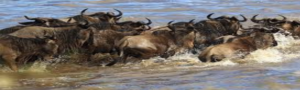
This period is particularly famous for the Great Migration in the Maasai Mara National Reserve. Between July and October, millions of wildebeest and zebras cross from Tanzania into Kenya, creating dramatic river crossings and intense predator-prey encounters.
Because this is peak safari season, accommodation prices are higher, and popular parks can be busier. Advanced booking is strongly recommended.
Short Dry Season (January–February): Excellent Wildlife Viewing
The short dry spell at the beginning of the year is another excellent time for a safari. Wildlife viewing conditions are very good, as animals remain concentrated near water sources following the short rains.
This period offers:
- Fewer crowds compared to July–October
- Warm daytime temperatures
- Great photography conditions due to clear skies
Predator sightings are often strong, particularly in parks like Amboseli National Park and Samburu National Reserve, where open terrain improves visibility.
Long Rains (March–May): Low Season with Lush Landscapes
March to May marks Kenya’s long rainy season. While this period sees heavier rainfall, it also brings unique advantages:
- Fewer tourists and lower lodge rates
- Lush, green landscapes ideal for photography
- Excellent birdwatching, including migratory species
Some remote roads may become challenging due to mud, but many major reserves remain accessible. This is a great time for budget-conscious travelers who don’t mind occasional showers.
Wildlife is still present year-round, though animals may be more dispersed due to abundant water availability.
Short Rains (November): Quiet and Scenic
The short rains typically occur in November. Rainfall is usually lighter and more intermittent than during the long rains.
Benefits include:
- Reduced visitor numbers
- Fresh, green scenery
- Newborn animals following recent calving seasons
While brief showers may occur, they rarely disrupt full-day safari activities. This shoulder season can offer a pleasant balance between value and wildlife experiences.
Regional Considerations
Different regions in Kenya may have slightly varied conditions:
- Lake Nakuru National Park is excellent year-round for rhino and birdlife.
- Tsavo National Park tends to be hotter and drier, especially during peak dry months.
- Coastal extensions to the Indian Ocean are ideal during dry seasons, when humidity is lower and beach conditions are optimal.
Understanding your preferred wildlife focus or travel combination (such as safari plus beach) can help determine the ideal timing.
When Is the Absolute Best Time?
For most travelers seeking optimal wildlife viewing and dramatic migration scenes, July to October stands out as the best overall time for a Kenya safari.
However, if you prioritize:
- Lower prices: Travel March–May or November
- Fewer crowds: Consider January–February or November
- Birdwatching: Visit during the green seasons
- Photography with lush scenery: Choose April or May
Kenya’s wildlife is resident year-round, meaning there is never a “bad” time for a safari — only different experiences shaped by the seasons.
Conclusion
The best time to go on a Kenya safari ultimately depends on your travel goals, budget, and tolerance for seasonal weather variations. The dry months offer classic safari conditions with exceptional wildlife visibility, while the green seasons provide tranquility, vibrant landscapes, and attractive pricing.
 Whether you dream of witnessing the Great Migration in the Maasai Mara, photographing elephants beneath Kilimanjaro, or exploring Kenya’s diverse ecosystems in peaceful solitude, careful seasonal planning ensures a rewarding and unforgettable safari experience.